Events

Traveling with a rare disease isn’t always simple but it is possible. Whether you’re heading out for a much-needed vacation, visiting loved ones, or attending a conference, the desire to explore and connect with the world doesn’t go away with a diagnosis. In fact, for many living with pemphigus and pemphigoid, travel can be a powerful reminder that life is still full of opportunities, discovery, and joy.

Still, we know the logistics can feel overwhelming – managing medications, preparing for the unexpected, and wondering if your body will cooperate. That’s why we’ve created this list: to offer practical tips, encouragement, and tools to help you travel with greater confidence and peace of mind. Because you deserve to experience new places and meaningful moments without having to leave your health and comfort behind.

Helpful hints collected from the IPPF community:

  • Bring all your meds + extras in your carry-on
  • Bring a list of your current meds, dosages, and emergency contacts.
  • Keep medications in their original labeled containers and pack them in your carry-on, not checked luggage.
  • Call hotels ahead about accessibility and comfort needs
  • Get medical clearance and any necessary documentation
  • Ask your doctor for a letter explaining your condition, medications, and treatment needs (especially important for security or customs).
  • Check if your insurance covers you while away
  • If traveling internationally, consider travel medical insurance
  • Identify nearby clinics, pharmacies, and hospitals at your destination
  • Build in downtime and don’t overpack your itinerary
  • Plan travel during your best time of day (e.g., mornings if fatigue worsens later)
  • Bring comfort items (e.g., neck pillow, compression socks, heating pad)
  • Pack snacks and water, especially if you need to avoid certain foods.
  • Stay hydrated & eat regularly
  • On planes or long drives, stretch or walk when possible to prevent stiffness or clots.
  • Don’t be afraid to ask for help – use priority boarding, mobility assistance, or hotel accessibility options if needed
  • Listen to your body

Remember: pemphigus or pemphigoid is part of your story, but it doesn’t define your experiences. Be kind to yourself, build in flexibility, and don’t hesitate to ask for help when you need it. Most importantly, give yourself permission to find joy in the adventure – your way, at your pace.

Next Time: “Managing the Costs of Care”

If you are in a crisis or need immediate support, please don’t wait.
Call or text the 988 Suicide & Crisis Lifeline at 988—available 24/7, free and confidential.

If you or someone you know is in immediate danger, please call 911 or go to the nearest emergency room.

Living with pemphigus or pemphigoid can be isolating, especially when symptoms like pain, fatigue, or visible flares make it hard to socialize or keep up with your usual routine. It’s understandable if you’ve pulled back from friends, family, or activities you once enjoyed.

But connection matters. Whether it’s a quick text, a virtual chat, or a heartfelt conversation with someone who truly gets it, staying connected – even in small ways – can have a big impact on your emotional well-being.

In this message, we’ll share a few simple ways to maintain and rebuild meaningful connections, even on the hardest days. Because you are not alone and you deserve support that makes you feel seen, heard, and valued.

Ways to stay connected:

  • Be Honest About How You’re Feeling – Let your loved ones know when you’re having a tough day. A simple “I’m not up for a long talk, but I’d love a quick check-in” keeps the lines of communication open without adding pressure.
  • Use Technology to Stay Close – Video chats, voice messages, and even group texts can help you feel involved when going out isn’t possible. Virtual support groups can also connect you with others who understand life with pemphigus or pemphigoid.
  • Pace Yourself Socially – It’s okay to say no when your body needs rest. Prioritize the connections that feel meaningful and energizing rather than draining. Even short, positive interactions can make a big difference.
  • Lean on Peer Support – Talking with someone who has walked a similar path can ease loneliness and help you feel seen. IPPF’s Peer Coach Program or support groups offer safe spaces to share and learn from others.
  • Reconnect in Small, Low-Energy Ways – Send a card, share a favorite memory, or comment on a friend’s post.These small acts keep you engaged and help others know you still care, even if you’re not always able to show up in big ways.

You don’t have to go through this alone. Here are some resources to find additional information and support:

  • Mental Health America – Living with Chronic Illness: mhanational.org/chronic-illness
    • Offers information on how chronic health conditions affect mental health and provides tools for coping with anxiety, depression, and stress
  • National Alliance on Mental Illness (NAMI): nami.org
    • Find free support groups, education, and a helpline for people managing mental health challenges—including those with chronic or rare diseases.
  • Psychology Today – Find a Therapist: psychologytoday.com/us/therapists
    • Use your zip code to search for therapists experienced in chronic illness, trauma, anxiety, or grief. Many offer telehealth appointments.
  • Rare Disease Mental Health Resource Hub – NORD: rarediseases.org/mental-health
    • A hub created specifically for rare disease patients and caregivers, with articles, webinars, and personal stories focused on mental and emotional well-being.

Next Time: “Travel Tips for People with Pemphigus or Pemphigoid”

If you are in a crisis or need immediate support, please don’t wait.
Call or text the 988 Suicide & Crisis Lifeline at 988—available 24/7, free and confidential.

If you or someone you know is in immediate danger, please call 911 or go to the nearest emergency room.

Living with a rare disease can bring a unique set of challenges, many of which extend far beyond the physical symptoms. The uncertainty, isolation, and stress that often come with a rare diagnosis can take a real toll on your mental and emotional well-being. It’s okay to acknowledge that this journey is hard. It’s even more important to know that you don’t have to face it alone.

Whether you’ve been recently diagnosed or have been navigating life with a rare disease for years, your mental health matters. In this message, we want to share resources, tips, and support to help you care for your mind as well as your body.

Start here:

  • Acknowledge your emotions without judgment – It’s normal to feel overwhelmed, anxious, or frustrated. Allow yourself to process those emotions without judgment. Mental health starts with self-compassion
  • Talk to a therapist or mental health professional: Therapists familiar with chronic illness or rare disease can help you manage anxiety, grief, or depression related to your diagnosis. You don’t have to wait for a crisis to reach out.
  • Build a support network – Connect with people who understand, family, friends, healthcare professioinals, or whether it’s through a rare disease support group, a peer mentor, or an online community. Shared experiences can ease isolation and help you feel seen.
  • Track your emotional well-being – Just like you might track symptoms or medications, journaling or using a mood-tracking app can help you spot emotional patterns, triggers, or progress over time.
  •  Practice self-compassion daily – create space for rest and joy – Even during flares or uncertainty, finding small moments for things that bring you comfort – whether that’s music, nature, creativity, or mindfulness – can build emotional resilience.
  • Advocate for yourself – Feeling dismissed or misunderstood by others, including doctors, can harm your mental health. Practice communicating your needs clearly and consider bringing an advocate with you to appointments.

You’re not “too emotional.” You’re navigating something incredibly hard. And you’re doing it with courage. Consider attending an IPPF Event

Here are some resources to find additional information and support:

  • Mental Health America – Living with Chronic Illness: mhanational.org/chronic-illness
    • Offers information on how chronic health conditions affect mental health and provides tools for coping with anxiety, depression, and stress
  • National Alliance on Mental Illness (NAMI): nami.org
    • Find free support groups, education, and a helpline for people managing mental health challenges—including those with chronic or rare diseases.
  • Psychology Today – Find a Therapist: psychologytoday.com/us/therapists
    • Use your zip code to search for therapists experienced in chronic illness, trauma, anxiety, or grief. Many offer telehealth appointments.
  • Rare Disease Mental Health Resource Hub – NORD: rarediseases.org/mental-health
    • A hub created specifically for rare disease patients and caregivers, with articles, webinars, and personal stories focused on mental and emotional well-being.

Next Time: “Staying Connected, Even When It’s Hard”

Living with pemphigus and pemphigoid comes with many challenges – some visible, and others deeply personal. One area that can be especially difficult to talk about is how our diseases affect intimacy and close relationships. You’re not alone in facing these concerns, and it’s important to know that.

This message is meant to open the door to an honest, supportive conversation about the ways pemphigus and pemphigoid can impact physical closeness, emotional connection, and self-confidence, and how to navigate those challenges with care, understanding, and the right tools.

What helps:

  • Open communication with your partner
  • Focusing on emotional closeness first
  • Time physical intimacy for the times of day you feel your best
  • Being patient with yourself and each other
  • Your worth and your capacity to love (and be loved) haven’t changed.

Links to intimacy websites you may find helpful:

Next Time: “You’re Not Alone: Mental Health with a Rare Disease”


Caring for others while managing a rare disease can feel overwhelming. You want to be there for your loved ones, but your energy is limited. When both caring for someone and being the person receiving care, effective communication and a clear understanding of roles and needs are crucial.

Gentle strategies:

  • Open communication is essential
  • Prioritize self-care
  • Let go of perfection
  • Respect each other’s boundaries
  • Ask for help from your support network
  • Explain your condition to your kids in simple, reassuring terms
  • You’re still a great caregiver. You’re showing your loved one resilience in action.

Caregiver Resources

“Your Relationships Matter: Let’s Talk About Intimacy”

Having pemphigus or pemphigoid can be a full-time job. Whether you’re working full-time, part-time, or from home, pemphigus or pemphigoid can make staying productive difficult. And doctor appointments, infusions and medication schedules can be hard to adhere to when you have a job. Navigating a chronic illness like pemphigus and pemphigoid  while maintaining a productive work life can be challenging, but it is achievable with the right strategies. 

Ideas for support:

  • Open a dialog with your management or HR about possible accommodations
  • Consider using short-term disability or Family and Medical Leave (FMLA)
  • Use reminders and planning tools to manage brain fog
  • Schedule demanding tasks during your “best” time of day
  • Your value isn’t measured by how much you do. It’s in who you are.

Be sure to check with your state to see if they have programs that can help get you support quickly, like FMLA and ADA. Use these links to learn more about ADA rights and accommodations. Some additional resources are listed below:

Next Time: “When You’re the Caregiver and a Patient”

Disrupted sleep is common with chronic illness, especially with pemphigus and pemphigoid. Between discomfort, itching, or medication side effects, you might struggle to rest well. We’ve collected a few tips from the community to share with you.

Try this:

  • Keep a cool, dark, quiet sleep space
  • Avoid heavy meals before bedtime
  • Try to spend time outside and be active if possible
  • Stick to a wind-down routine (same time each night)
  • Ask your provider about meds that disrupt or aid sleep
  • The doctor may have prescription medications that can help for pain
  • Take prednisone in the morning

Rest isn’t lazy. It’s essential. You are doing enough.

Additional Resources

The Better Sleep Council: https://bettersleep.org/

NIH Healthy Sleep Habits: https://www.nhlbi.nih.gov/health/sleep-deprivation/healthy-sleep-habits

American Academy of Sleep Medicine: https://aasm.org/wp-content/uploads/2021/05/Prioritizing-Sleep-and-Managing-Fatigue.pdf

 Bedtime Calculator: https://sleepeducation.org/healthy-sleep/bedtime-calculator/

Healthy Sleep Habits: https://sleepeducation.org/healthy-sleep/healthy-sleep-habits/

Healthy Sleep: https://sleepeducation.org/healthy-sleep/

CDC Sleep: https://www.cdc.gov/sleep/

Next Time: “Managing Work When You’re Managing a Disease”

Ramesh Swamy

This spotlight was recently featured in the American South Asian Network (ASAN).

When the IPPF named Ramesh Swamy its new Board President, the decision fused professional acumen with lived experience. The Vadakkencherry, Kerala born, Los Angeles-based financier founder of boutique merchant bank Halifax West, was diagnosed with pemphigus vulgaris a decade ago. That detour from spreadsheets to skin biopsies ignited what Swamy calls his “second startup”: building a support ecosystem for patients who often feel marooned by rarity and misdiagnosis.

Swamy’s résumé reads like a collision of Wall Street and Hollywood. After an early stint in Morgan Stanley’s structured – finance group, he launched Halifax West in 2016, advising middle-market companies on M&A, corporate restructurings, and principal investments most recently in climate-tech and digital-health ventures.

Beyond the balance sheet, Swamy moonlights as an executive producer with London/ Los Angeles studio Anna Barbara Films, backing documentaries that champion underrepresented voices. Board service is a through-line: Legal Aid Foundation of LA, Association for Corporate Growth, and now IPPF. Colleagues describe him as “equal parts spreadsheet and soul.”

Pemphigus vulgaris and related pemphigoid disorders are rare, potentially life-threatening autoimmune diseases that cause painful blisters across skin and mucous membranes. Because incidence hovers around one to five cases per million, diagnosis often drags on for months especially among South Asians, who face a disproportionately higher prevalence. Delays amplify infection risk, scarring, and emotional isolation.

The IPPF steps into that vacuum by pairing patients with trained peer coaches, funding clinician-education webinars, and maintaining a Natural History Registry that scientists mine for treatment clues. Swamy joined the board in 2018; as president he’ll now steer strategy, fundraising, and advocacy.

Read the full article here.

Self Care

Living with pemphigus or pemphigoid means getting to know your body in a new way. These are rare, chronic autoimmune diseases that affect the skin and mucous membranes, often making them feel fragile, painful, or unfamiliar. The symptoms may come and go in flares, and even the most routine tasks (like brushing your teeth or getting dressed) can suddenly feel overwhelming. It’s okay to grieve the changes you’re experiencing. Just as importantly, it’s okay to take extra time to care for yourself.

Here are some tips from the IPPF community, shared by those who live with pemphigus or pemphigoid and have learned to adapt with kindness and resilience:

  • Choose soft, tagless clothing made from natural or moisture-wicking fibers.
  • Avoid long hot showers; go for lukewarm and use gentle cleansers that are unscented and dye-free.
  • Pat your skin dry, in place of rubbing. Better yet, drip dry
  • Moisturize to protect your intact skin helps maintain the skin barrier and can reduce discomfort. Choose creams or ointments that are fragrance-free and formulated for sensitive skin
  • Use alternatives to tape to hold dressings in place such as cohesive bandages, gauze wrap, snug clothing, and tubular bands.
  • Consider non-stick pads to cover wounds
  • Wear hats and/or clothing made of SPF fabric
  • Rest when you need to
  • Brush your teeth with a toddler/child-size toothbrush
  • When mint/cinnamon toothpaste hurts, turn to children’s toothpaste
  • Stay hydrated – Drinking water throughout the day helps to keep your mouth moist and supports healing
  • Follow your medication regime and take your medicines on time

Remember: self-care is not selfish. Taking steps to reduce discomfort, support healing, and preserve your emotional well-being is essential for navigating life with a rare disease. You deserve comfort, every day. For additional information, visit our patient resources page.

Next Time: “Finding Foods that Work for You When You Have Oral Lesions

April 28, 2025

Navigating life with pemphigus or pemphigoid (P/P) can be a challenging journey, filled with uncertainty and questions. Whether you’re newly diagnosed or have been living with these rare autoimmune diseases for years, one thing remains constant: Knowledge is power. Understanding your condition, treatment options, and the latest research can empower you to take control of your health and improve your quality of life.

P/P are complex diseases that affect each person differently. Symptoms, triggers, and treatment responses vary widely, making it essential for patients and caregivers to be well-informed. Learning about the disease can help patients recognize symptoms early, understand treatment options, and communicate effectively with their healthcare team.

For those newly diagnosed, the journey can be overwhelming. “I felt so alone when I was first diagnosed. I didn’t know what pemphigus was or how to manage it,” shared one patient. “Finding accurate information helped me understand my symptoms and gave me hope.” Education helps demystify these diseases, reducing anxiety and empowering patients to make informed decisions about their care.

Even for those who have been on this journey for a while, continuous learning is crucial. Research is constantly evolving, and new treatments are emerging. Staying informed about the latest advancements ensures that you are aware of all available options and can advocate for the best possible care.

One of the most effective tools for learning about P/P is the IPPF’s Patient Education Series (PES) webinars. They are designed to provide patients and caregivers with reliable, up-to-date information from leading experts in the field. They cover a wide range of topics, including disease mechanisms, treatment options, symptom management, and the latest research developments.

These webinars offer the unique opportunity to learn directly from dermatologists, immunologists, and researchers who specialize in P/P. Participants can ask questions and learn practical strategies for managing their condition.

“The PES webinars have been a game-changer for me,” shared a patient. “I’ve learned so much about treatment options and how to manage my symptoms. It feels empowering to understand my disease and know that I have a community of support.”

One of the most significant challenges for individuals with P/P is navigating treatment options. The webinars provide detailed explanations of available treatments, including corticosteroids, immunosuppressants, and newer biologic therapies. Understanding how these treatments work and their potential side effects allows patients to have informed conversations with their healthcare providers.

Additionally, the webinars highlight the latest research in the field. With ongoing studies on new therapies and a better understanding of disease mechanisms, staying informed ensures that patients are aware of cutting-edge treatment options.

Beyond education, PES webinars foster a sense of community. Living with a rare disease can be isolating, but these webinars allow patients to connect from around the world as we realize we have similar experiences, no matter where we live. Our experiences, challenges, and successes build a supportive network where people feel understood and less alone.

The IPPF is committed to supporting patients at every step of their journey. Our PES webinars are just one of the many resources designed to empower and educate the P/P community. By staying informed, you are not just learning about your disease—you are taking control of your health and building a stronger, more connected community.

To learn more about our upcoming webinars or to watch past recordings, visit the IPPF website. Together, we can face the challenges of P/P with knowledge, resilience, and hope.

The “Voice of the Patient Report” on the Pemphigus and Pemphigoid Patient-Focused Drug Development Meeting.

To celebrate Rare Disease Day 2024, the IPPF is excited to announce the publication of Understanding the Unmet Needs of the Pemphigus & Pemphigoid Community. This “Voice of the Patient” is a summary of the Externally-Led Patient-Focused Drug Development (EL-PFDD) Meeting on Pemphigus and Pemphigoid held on January 25, 2023. The meeting brought together patients and care partners, US Food and Drug Administration (FDA) representatives, pharmaceutical companies, doctors, and researchers. The goal of the meeting was to hear from patients about what it’s like to live with rare, autoimmune bullous skin diseases so that all involved can better understand the patient experience.

The “Voice of the Patient” report is designed to help the FDA make informed decisions about potential future therapies for pemphigus and pemphigoid. It can also help pharmaceutical companies design therapies and clinical trials to address the aspects of these diseases that are most important to patients. 

“Following 2023’s successful EL-PFDD meeting, the ‘Voice of the Patient Report’ is a critical next step in the IPPF’s engagement with the FDA and other decision-makers,” said IPPF Executive Director Patrick Dunn. “As we’ve learned, there are significant obstacles facing pemphigus and pemphigoid patients’ access to potential future therapies. To overcome these obstacles, we must empower the voice of a strong coalition of patients, caregivers, researchers, and clinicians so that regulatory agencies and industry partners understand what truly matters to people living with these diseases.

This initiative was coordinated by a partnership of pemphigus and pemphigoid patient organizations, including the International Pemphigus & Pemphigoid Foundation (USA), PEM Friends (United Kingdom), Association Pemphigus Pemphigoïde France (France), and the Pemphigus/Pemphigoid Friends Association (Japan).

On behalf of the IPPF Board of Directors and staff, we are excited to announce that Staci White has been appointed as our new President of the Board of Directors. Staci has served as an IPPF Board member since 2020. She has also been active in the IPPF community for many years. 

Staci White

Staci’s motto is “fearless joy.” She views life’s challenges as avenues for clarity and creativity. In 2011, she was diagnosed with pemphigus vulgaris (PV) after being taken to the emergency room on Memorial Day weekend with wounds/blisters over 85% of her body. Her symptoms, though unrecognized as such by any physician who examined her prior to arriving in the ER, began in the winter of 2010. Staci celebrated seven years in remission on July 20, 2023. It was a hard-fought, five-year journey to remission. She was grounded in faith and surrounded by love each step of the way. Staci believes that PV changed her life in unexpected but beautiful ways.

Staci is an intuitive, mindful, and strategic leader with 29 years of experience with nonprofit, healthcare, and education organizations. She holds a BA in Psychology and a Master’s in Public Administration from Rutgers University, along with a certificate in Diversity and Inclusion from Cornell University, a Lean Six Sigma Green Belt from Purdue University, and she is a Certified Professional Life Coach. Staci currently works for the healthcare network where she was diagnosed with PV as the Director of Student Affairs and Wellbeing at Hackensack Meridian School of Medicine. She is also an adjunct professor at Bergen Community College in New Jersey.

In 2023, Staci became the founder and Chief Coaching Officer for Kitt White Coaching, which specializes in transformational and leadership coaching. Anchored in community service, Staci is a member of Delta Sigma Theta Sorority, Inc., the co-chair for Hackensack Meridian Health’s Women in Leadership Team Member Resource, and a mentor.

*Sign up for the waitlist to be notified by email when this fund opens.

This press release was originally published by the PAN Foundation on December 6, 2023.

The PAN Foundation and the International Pemphigus & Pemphigoid Foundation today announced they are launching a new partnership to help people living with pemphigus vulgaris, providing up to $6,600 per year in financial assistance and support services for patients and their caregivers or loved ones.  

Pemphigus vulgaris (PV) is a rare autoimmune disorder of the skin and mucous membranes that causes painful sores and blisters on the skin and mouth. About three in every 100,000 people in the U.S. are living with pemphigus vulgaris, according to the Medscape.

“We are thrilled to partner with the International Pemphigus & Pemphigoid Foundation and expand our support for people living with pemphigus vulgaris,” said PAN Foundation President and CEO Kevin L. Hagan. “For nearly 30 years, the IPPF has led the way with education and support services, and we are grateful to collaborate with them.”

The International Pemphigus & Pemphigoid Foundation’s most important objectives are to provide patients and doctors worldwide with information about pemphigus and pemphigoid, and to provide patients and their caregivers much needed comfort and support so they can continue to live active, productive lives.

“Pemphigus vulgaris (PV) is the most common form of pemphigus, and it can affect both the skin and mucous membranes. PV does not improve without active treatment and can come with high out-of-pocket costs. We are grateful to join forces with the PAN Foundation to increase patients’ access to financial support, educational resources, and a caring community,” said International Pemphigus & Pemphigoid Foundation Executive Director Patrick Dunn.

Patients who qualify for the PAN Foundation Pemphigus Vulgaris Fund are eligible to receive $6,600 per year in financial assistance. (Sign up for the waitlist to be notified by email when the funds open.)

Eligibility requirements

To get financial assistance for pemphigus patients must:     

  • Be getting treatment for pemphigus vulgaris.   
  • Have Medicare health insurance that covers the qualifying medication or product.    
  • Have an income that falls at or below 400 percent of the federal poverty level.   

About the PAN Foundation  

The PAN Foundation is an independent, national 501 (c)(3) organization dedicated to helping federally and commercially insured people living with life-threatening, chronic, and rare diseases with the out-of-pocket costs for their prescribed medications.  

Since 2004, we have provided more than 1.1 million underinsured patients with over $4 billion in financial assistance. Partnering with generous donors, healthcare providers, and pharmacies, we provide the underinsured population access to the healthcare treatments they need to best manage their conditions and focus on improving their quality of life. Learn more at panfoundation.org.    

By Michael Rigas, PharmD


Biosimilars 101

The latest video in our new series, Pass the Mic with Dr. Mike, the Pharmacist is available.

Biosimilars are also known as “follow-on biologics” or “subsequent entry biologics”

The Biologics Price Competition and Innovation Act (BPCI) was introduced by Senator Edward Kennedy in 2007. It was passed by Congress and signed by President Obama in 2010 as part of the Patient Protection and Affordable Care Act (ACA) (Center for Drug Evaluation and Research, 2016). The intent of the Act was to lower prescription costs to patients by having biosimilars priced 25-35% less than innovator drugs.

Biosimilars include large molecule drugs that are most commonly injectables or infused drugs. They are Food and Drug Administration (FDA)-approved copies of the original “innovator” drug product that are allowed to be licensed and approved by the FDA once the innovator product’s patent expires. Well-known oral generic drugs are small molecule drugs and typically taken orally. Biosimilars are large molecule drugs and are typically given via the intravenous or muscular route. The first drug that was FDA-approved as a biosimilar was a version of Neupogen® called ZARXIO in 2015. The most significant biosimilar available for pemphigus and pemphigoid (P/P) patients is the drug rituximab (innovator named Rituxan®), which now has three available approved biosimilar products. 

The concept of “similarity” includes these principles which were enacted and are enforced by the FDA:

  1. Any differences between the biosimilar and the innovator products must not be clinically significant.
  2. Must be similar in their ability to cause immunogenicity (meaning they have the ability of therapeutic protein products to stimulate an immune response in the patient).
  3. Must be similar in their pharmacokinetics (how the drug is absorbed and eliminated by the body).
  4. Must be similar in their pharmacodynamics (how the drug affects the body).
  5. Must be similar in their safety, purity, and potency.
  6. Must be FDA-approved for one or more of the indications that the FDA approved for the innovator product.
  7. Most commonly, the biosimilar product’s acquisition cost is 20-30% less than the innovator product, which is supposed to have a cost-reducing impact on insurance companies and patients.
  8. Currently, there are over one hundred biosimilars approved or in the process of approval for use in the US. Please see this link for a list of the currently FDA-approved biosimilars and which ones are in the application process with the FDA. (Center for Drug Evaluation and Research, 2023)) 

Cost reduction to the American healthcare system

As of late 2022, there were 39 approved biosimilars of 11 previously approved innovator products, with 22 biosimilars currently available on the market. It is estimated that biosimilars saved over $7 billion in 2021. It has also been shown that patient access to medications has improved for every drug with an available biosimilar. (Association for Accessible Medicines, 2022

Patient out-of-pocket costs

The cost savings impact of biosimilars in the US has not had the expected reducing impact on prices (due to many factors, which will be discussed below). Thus, many regulatory updates to the ACA have been proposed. The main issue has been the creativity shown by the innovator product’s drug makers and the insurance companies to manipulate the market pricing structure to make the most money by forcing patients to use the innovator product or a more expensive biosimilar product, meaning patients may be forced to pay more out-of-pocket than if they were able to use the least expensive biosimilar product.

Traditionally, generic and biosimilar drugs are priced 25-35% less than the innovator product. Insurance companies then pass these lesser acquisition prices to the patients in the form of lower out-of-pocket costs to the patient. However, many innovator product companies offer significant rebates to the insurance company that cause them to prefer these innovator products to the less costly biosimilar products. Patients are then forced to pay higher out-of-pocket costs with the innovator’s product. This innovator product rebate program circumvents the original intent of the biosimilar model concept. There are states and patient support groups advocating to end these practices so that more patients can experience lower out-of-pocket costs, as was intended to be part of the biosimilar concept. 

Prescribing physician

Biosimilars may adversely impact physicians since they may not have control over which products are approved for their patients (innovator products vs. biosimilar products) since individual insurance companies’ strategies vary dramatically. For example, a prescribing physician office with 20 patients that may need rituximab (the innovator product is Rituxan®) as part of their autoimmune blistering disease treatment plan may wind up with five patients on each of the four (one innovator and three biosimilars) available products. This presents a complex situation for the prescribing physician, who may face various concerns and responses from their patients about the drugs they are required to take by their insurance company. 

Insurance companies

Insurance companies have an excellent opportunity to create strategies that can save money for patients by encouraging them to use biosimilars. Alternatively, insurance companies can choose to make more money for themselves by obtaining rebates from innovator brand drug makers. This may then require patients to use the innovator product at a higher cost to the patient. Either way, the process is complex and time consuming for insurance companies and patients, alike. These policies are also very transient and may need to change whenever a new biosimilar product hits the market or as contracts and negotiations change yearly.

Patients and caregivers

The biosimilar concept significantly impacts patients and caregivers since they may be able to save out-of-pocket costs by using the least expensive biosimilar product instead of using the brand-name drug. However, based on some of the above-mentioned strategies, patients may have to pay higher out-of-pocket costs than expected if they are prescribed a drug other than the lowest cost biosimilar. Also, since patients might be on these drugs for a significant period of time, they may be forced to switch between products and experience a change in out-of-pocket costs as insurance companies update their formularies each year. (Note: Each payor has a drug formulary listing the drugs they prefer their patients to use, and which also explains the various extra or lesser costs the patient may qualify for if they do or don’t use the payors preferred formulary drugs.)

Pharmacies

Biosimilars challenge pharmacies since they must order and stock many versions of the same drug. They must arrange for the proper cost-effective purchasing of each product, have the ability to sell it to the insurance company at a reasonable profit, and be able to clinically manage patients on multiple versions of the same drug. Also, Boards of Pharmacy have enacted rules for the use of biosimilars. Typically, most states require a pharmacy to notify and obtain consent from the doctor when a biosimilar is substituted for an innovator product at the request of their payor or as a result of product availability to the pharmacy.

Suggestions for navigating a biosimilar future

For patients and their families involved with drugs for which biosimilars are available, it is important to consider these issues with their physician, insurance company, and pharmacy. The best way to obtain the best financial outcome from the biosimilar concept is to always be on the offensive. This involves knowing these critical facts about biosimilars that may be available. Creating a spreadsheet that includes the following information may be the best way to coordinate this complex data: 

  1. Which innovator drugs are currently available as biosimilars for your disease?
  2. Contact your insurance company to see which biosimilars or innovator products are on their preferred formulary for your diagnosis.
  3. Look up typical acquisition pricing for these drugs online so you know the acquisition cost differences between the innovator product and biosimilars. Less acquisition cost usually equates to less out-of-pocket costs for patients. 
  4. For each biosimilar and innovator product that might be an option for your disease and with your payor, determine available financial assistance program options by checking the drug’s website.
  5. Ask your prescribing physician which innovator brand or biosimilar they prefer so you can compare with what your payor prefers and its cost.
  6. Ask your pharmacist whether these innovator products or biosimilars require special purchasing actions, purchasing contracts, payor contracts, training, or Risk Evaluation and Mitigation Strategy programs. The presence of any of these items may make the innovator or biosimilar product hard to get or not obtainable by your pharmacy.

For more information about biosimilars, visit the following IPPF patient resources:

References

Association for Accessible Medicines. (2022). Generics & Biosimilars https://accessiblemeds.org/sites/default/files/2022-09/AAM-2022-Generic-Biosimilar-Medicines-Savings-Report.pdf

Center for Drug Evaluation and Research. (2016). Implementation of the biologics price competition and innovation act O. U.S. Food and Drug Administration. https://www.fda.gov/drugs/guidance-compliance-regulatory-information/implementation-biologics-price-competition-and-innovation-act-2009

Center for Drug Evaluation and Research. (2023). Biosimilar Drug Information. U.S. Food and Drug Administration. https://www.fda.gov/drugs/biosimilars/biosimilar-product-information

Michael Rigas, PharmD, is an IPPF Board Member and the Chief Clinical Officer, Emeritus of KabaFusion, LLC, in Cerritos, California.

Information for those living with pemphigus and pemphigoid.
IPPF Guide to Pemphigus and Pemphigoid answers common questions.

We’re excited to share a new resource with our community: The IPPF Guide to Pemphigus and Pemphigoid. The guide is intended to provide medically reviewed information relevant to the most common questions people have when first diagnosed with pemphigus and pemphigoid, as well as educational information about ongoing disease management and treatment options.

Through this guide and other IPPF resources, we hope to empower the community with essential knowledge that can make living with pemphigus and pemphigoid much more bearable. In addition to English, Spanish and French translations of the guide are available to read and download on our website.  

*The information in this guide has been reviewed by the Education and Patient Support working group of the IPPF’s Medical Advisory Council. The IPPF does not endorse any drugs, treatments, or products in this
guide. Information is provided for informational purposes only. Because the symptoms and severity of pemphigus and pemphigoid vary among individuals, discuss all drugs and treatments with the reader’s physician(s) for proper evaluation, treatment, and care.

Program will offer no-cost testing to pemphigus and pemphigoid patients in Southern California
Biopsies Save Lives

Quest Diagnostics, through the Quest for Health Equity (Q4HE) initiative, has teamed up with Western University of Health Sciences (WesternU) to offer no-cost diagnostic testing services to support Biopsies Save Lives. This multidisciplinary program will offer no-cost testing to patients in Southern California who are low-income, uninsured, and underinsured and who have rare erosive and blistering diseases, to enable more timely diagnosis of these conditions.

Pemphigus and pemphigoid patients must often see multiple health care providers before seeing a specialist and receiving a diagnosis. People of color are more likely to be misdiagnosed or experience delays in diagnosis because differences in pigmentation can affect the appearance of dermatologic diseases.

“The time it takes to get a correct diagnosis can be critical for people who are working-class or living in poverty. Compounding this, people of color are more likely to have delays in diagnosis because pathologic conditions can manifest differently on dark skin and mucosa, and health care professionals are trained mostly to diagnose them on white patients,” said WesternU Health Oral Pathology Laboratory Director Mark Mintline, DDS. “We are grateful for the support from Quest and its Quest for Health Equity initiative, as it will help eliminate a barrier to diagnosis and enable us to expedite the treatment of patients suffering from these diseases.”

The collaboration between Q4HE and WesternU, with additional support from the International Pemphigus and Pemphigoid Foundation (IPPF) and the University of California Irvine (UCI) Health Dermatology Immunobullous Clinic, aims to accelerate diagnosis times and help reduce the number of doctors needed to get a diagnosis. Local health care providers will be able to refer patients for intraoral biopsies and serum testing without worrying about the cost of laboratory tests thanks to no-cost diagnostic testing provided through the Q4HE initiative.

“We believe good health care should be in reach for everyone, and we are proud to support this important program to give access to lab testing that will help provide care to underserved patients in Southern California suffering from these rare autoimmune diseases,” said Michael Floyd, Senior Director and Leader, Q4HE. “We are hopeful that we can help break down some of the barriers to health care access that these patients are experiencing by making diagnostic testing more accessible.”

Biopsies Save Lives also connects patients to the IPPF, which offers peer coaching, patient education webinars, support groups, publications, and a network of doctors who are experienced in treating pemphigus and pemphigoid patients. This includes expert dermatologists from UCI Health Dermatology, which specializes in the diagnosis, treatment, and management of acquired autoimmune blistering diseases. WesternU also provides medical interpreters to facilitate communication between patients, doctors, and staff to ensure high-quality care. Learn more about the Biopsies Save Lives program here.

Healing Heroes are the heart of our community. They go above and beyond to support the IPPF community by making sustaining, monthly gifts to support our mission of improving the quality of life for all those affected by pemphigus and pemphigoid. Join Jesse and become a Healing Hero today.


It’s a fact.

Healing Heroes are at the heart of our community.

That’s why we’re putting the spotlight on current Healing Heroes who are going above and beyond to support the IPPF community.

They’re making sustaining, monthly gifts to support our mission of improving the quality of life for all those affected by pemphigus and pemphigoid. 

Now it’s your turn. 

Whether you’re a patient, caretaker, family, friend, medical professional, or rare disease advocate, your monthly gift allows us to sustain current programs and expand our key areas of operation. 

Jesse tells our story best . . . 

Jesse became a Healing Hero after experiencing loneliness and isolation while living with a rare disease. With the support and comfort provided by the IPPF, Jesse is thriving and wants to ensure that other pemphigus and pemphigoid patients receive the same high level of care. 

The Heart of Our Community: Jesse

Monthly Sustaining Gift Options

IMPROVE PATIENT ACCESS TO CARE ($15)
Your monthly gift of $15 allows us to screen and add a new medical professional to our Find a Doctor map, increasing patients’ access to care.

HELP THE NEWLY DIAGNOSED ($30)
Your monthly gift of $30 allows our Peer Coaches to support 75 members of our community by providing them with resources, tips, and tricks on how to live and thrive with pemphigus and pemphigoid.

ACCELERATE DIAGNOSIS TIMES ($75)
Your monthly gift of $75 raises disease awareness by educating 75 medical professionals through our Biopsies Save Lives campaign. 

FUND ESSENTIAL RESEARCH ($100)
Your monthly gift of $100 helps us conduct the ongoing Natural History Study to better understand pemphigus and pemphigoid.

Become a Healing Hero

By becoming a Healing Hero, you provide for the greater good of our community by sharing our vision:

NO DISEASE IS TOO RARE FOR A CURE!

Healing Heroes

By Michael Rigas, Pharm.D.


Economics of Patient Assistance Programs

The latest video in our new series, Pass the Mic with Dr. Mike, the Pharmacist is available.

Insurance is a fundamental part of the health care delivery system. Many patients know all too well that they are frequently denied access to the therapies they need because of a lack of insurance, lack of payer authorization, or lack of ability to pay their out-of-pocket (OOP) costs.

According to a National Health Statistics Report published in 2022 by the Centers for Disease Control and Prevention (CDC), in 2021, 28.1 million (8.6%) people of all ages were uninsured. Unfortunately, with millions of Americans still uninsured and the US Census reporting that 37.9 million people (11.6%) were living in poverty in 2021, the problem is still pervasive.

We all know patients whose families have been affected by job loss, insurance loss, changes in benefits, large OOP expenses, or some combination thereof. These factors work together to increase the patient’s financial responsibility while decreasing their ability to pay for care. With the convergence of COVID-19 and significant inflation, these issues may persist, leaving patients scrambling to find ways to pay for their OOP costs.

Before getting into the nitty gritty parts of this issue, it is important to mention the negative impact of a patient not taking their medication as their doctor prescribed it. Patient compliance with their medication regimen has a direct effect on clinical outcomes. Non-adherence to essential medications results in greater morbidity (i.e., disease progression, disease complications, reduced functional abilities, lower quality of life) and mortality. In the US, medication non-compliance has been estimated to result in avoidable hospitalizations that cost the system more than $100 billion each year and may approach $300 billion per year in total direct costs.

Recently, it has been reported that one-third to one-half of all US patients fail to comply with their prescribed pharmacotherapy regimens. Financial concerns are pushing patients to new levels of non-compliance—essentially, they are forced to choose between medications and other staples of life. Patients who do not comply with medication regimens, or do not seek treatment or follow up with physician orders, are at risk of exacerbating their conditions. For chronic conditions that are controlled by medication, the symptoms of the illness will likely return, and the underlying disease may likely progress. This results in an increased need for care such as physician visits, emergency room (ER) visits, or hospitalizations. 

The sense of urgency is greater when considering the devastating effects of the past few years on the number of uninsured, as this group is more than twice as likely to delay or forgo needed care. This contributes to the spiral of more patients seeking treatment in the high-cost acute care setting, marked by surging numbers of ER visits, increased hospital admissions, and increased length of stay.

Patient (financial) assistance programs (PAPs) offer patients new avenues for accessing their prescribed medications, which may lead to higher levels of affordability and, thus, compliance. PAPs are not mandated or managed by the government; they are voluntary programs offered by pharmaceutical companies, nonprofit foundations, and some infusion and specialty pharmacies. Because they are subject to state and federal regulatory control, PAPs can vary in structure, number of patients served, services offered, and results. Their decentralized nature makes them cumbersome and time-consuming to navigate.

Often, the amount of assistance and method by which it reaches the patient depends on the payer, benefit model, drugmaker, patients’ diagnosis, and regulatory guidelines. For example, uninsured patients who qualify can typically receive drugs or coupons/cards used to purchase drugs through a manufacturer program or nonprofit program (i.e., Good RX). But the rules change when the payer is a government-funded program, such as Medicare or Medicaid because a direct financial benefit to the patient from the pharmaceutical company could be considered an inducement to use the drug in question by the Centers for Medicare and Medicaid (CMS).

Product life cycle and the specifics surrounding each individual medication also come into play. For example, as a drug approaches the end of patent protection, the PAP offered programs may become more generous, allowing the manufacturer to build brand loyalty and maximize market share before competing generic therapies become available or their product becomes a generic drug.

Clearly, the landscape of PAPs is multifaceted and a bit like peeling an onion—the further you go, the more there is. While this evaluation is not intended to tell you everything you need to know about PAPs, it provides a brief overview that can help reduce the learning curve for patients looking for patient assistance funding.

Pharmaceutical Manufacturer Programs

Nearly all major drug manufacturers provide assistance programs for their most popular drugs. Currently, there are about 2,000 PAPs offered by nearly 500 companies. This loose patchwork of programs lacks any semblance of standardization and is subject to continuous change. Each unique program has its own eligibility guidelines and application procedures. Patient assistance can range from discounts on drug purchases, direct reimbursement for OOP costs, to free medication.

Typically, these programs serve only patients with no prescription drug coverage—either through commercial insurance plans, Medicare, or Medicaid. Eligibility requirements vary from program to program, but most require US citizenship and a total household income between 2-4 times the Federal Poverty Level (FPL). According to the US Department of Health and Human Services, the federal poverty guideline for 2023 is $30,000 for a family of four. Depending on the PAP, the patient may be required to submit supporting documentation, such as proof of income, rejection letters from commercial insurance plans and/or Medicaid, original prescriptions, or physician signatures and clinical information. Some of the manufacturer PAPs send the medicines to the physician’s office for distribution to patients, while others send the medicine to a pharmacy or provide a credit card with a predefined value that the patient can use to pay their out-of-pocket costs. A few send a certificate to the patient who then gives it to the pharmacist.

Most of the programs offer an online application process. They can be found individually at the drug company’s website or can be accessed through one of the handful of national organizations that act as clearinghouses for patients (i.e., MedMonk.com). These “one-stop-shops” allow patients the ability to locate programs by drug and/or manufacturer, see consolidated program information, receive refill updates, and other information (Exhibit 1). Most of these sites also offer access to information on relevant insurance coverage and public benefits that might address other health care needs. Many of these sites offer a variety of resources to health care providers, which can be very useful for those just beginning the patient advocacy process.

Exhibit 1

Patient Assistance Program Gateways

Partnership for Prescription Assistance (PPA): www.pparx.org

Patientassistance.com: www.patientassistance.com

RxAssist: www.rxassist.org

NeedyMeds: www.needymeds.org

MedMonk: www.Medmonk.com

Because these PAPs are constructed around the drug itself, there is little continuity for patients dealing with complex diagnoses and multiple drugs. For example, depending on the drug their physician orders, a patient with pemphigus vulgaris (PV) could conceivably apply for assistance separately from the makers of several drugs that they may be taking. Unfortunately, the best clinical choice drugs for a given patient may not yield the best drug manufacturer’s PAP for the individual patient’s needs. Furthermore, there is no coordination between PAPs for patients with multiple diagnoses and those on multiple drug therapies. For example, a patient with PV might qualify for assistance for some of their medications but not all of them, especially if they have medications for other diseases besides their PV diagnosis.

These programs are by far the most common vehicle for delivering patient assistance—and have helped millions of Americans obtain needed medication—but they are not a complete resource for autoimmune skin blistering disease (AIBD) patients. For one, a great majority of the therapies covered by pharmaceutical manufacturer PAPs are for oral medications. There are fewer programs for injectable or infused medications compared to oral medications. There are even fewer programs dedicated to chronically infused medications. In addition, the programs are primarily designed for patients with no prescription drug insurance, versus the larger group of patients that have some coverage but still cannot afford their out-of-pocket costs. Despite these drawbacks, manufacturer PAPs can be a useful tool.

Third-Party Programs

For those insured by government sponsored programs, such as Medicare and Medicaid, receiving free medication, discounts, or other “inducements” from pharmaceutical companies runs afoul of Fraud, Waste, and Abuse regulatory guidelines. Therefore, patients with these types of insurance must receive assistance via a third party, typically a nonprofit patient advocacy group that coordinates the distribution of medications and financial assistance. In addition to delivering access to medication, third-party programs also help underinsured patients cover co-pays and often offer a wealth of other health care-related information and resources.

There are a variety of ways these organizations can be structured. The most common is the independent, nonprofit foundation. There are several large, national entities that operate disease-specific funds—some for dozens of different medical conditions. They are funded through donations from individuals and organizations, mainly pharmaceutical companies (Exhibit 2). Their size and reach allow them to cover a variety of medical interventions such as cancer treatments, chronic diseases, iron overload as a result of blood transfusions, and more.

Exhibit 2

Nonprofit Patient Assistance Foundations

Caring Voice Coalition: www.caringvoice.org

Chronic Disease Fund: www.cdfund.org

HealthWell Foundation: www.healthwellfoundation.org

Patient Access Network Foundation: www.panfoundation.org

Patient Advocate Foundation: www.co-pays.org

Accessia Health: https://accessiahealth.org/

In addition to these larger organizations, nonprofit patient advocacy groups may band together to administer third-party patient assistance programs. Typically, these groups have an advocacy-related mission, but coordinate programs to help patients with other issues related to their diseases. The National Organization for Rare Disorders (NORD) is one example. This unique federation of voluntary health organizations is dedicated to helping people with rare “orphan” diseases and assisting the organizations that serve them. NORD is active in patient education, advocacy, and research, but it also administers PAPs that provide medication assistance, co-pay assistance, early and expanded access to investigational drugs, and emergency product supplies.

Another type of third-party PAP is the for-profit organizations (outsourced, Hub-like models) that administer reimbursement support services for specific drug manufacturers. Typically, the manufacturers represented make therapies that are used to treat chronic diseases and the reimbursement issues the organization navigates are complex. These Hubs monitor health policy and reimbursement regulations in the commercial sector as well as for Medicare and Medicaid. They offer this knowledge to pharmaceutical companies as they develop and bring drugs to market, as well as perform complex patient assistance support on behalf of their patients. Some of the functions performed by these companies include screening patients for manufacturer-sponsored assistance programs, connecting them with charitable foundations that may offer financial assistance, resolving denied claims, locating clinical trials, and otherwise cobbling together resources that may maintain their access to therapy. This expertise is also available to health care providers, such as physicians, hospitals, and pharmacies.

Patients are often steered to these companies by advocacy groups and the pharmaceutical companies that make their life-saving drugs. To patients, they offer in-depth knowledge of their disease state and the complex reimbursement landscape surrounding it. They also offer comprehensive services designed to open or maintain their access to therapy, including appealing insurance company adverse coverage decisions. However, many times, these companies utilize closed distribution channel models, and may use their own preferred pharmacies as a means of providing affordable patient services which may limit patient choice of pharmacy options.

If you are a patient with a chronic disease who is experiencing financial pressure, third-party organizations are a good place to start. The foundations mentioned in Exhibit 2 all list the diagnoses covered on their websites—there is some crossover, and several types of cancer are included. Often, a disease-specific patient advocacy group can point you in the right direction as well.

Other Notable Programs

Perhaps one of the most frustrating situations for patients is when a patient has insurance coverage, but still cannot cover their own OOP costs. This scenario plays out for many chronic illnesses—particularly when they are treated with new, expensive biological drugs. A handful of nonprofit organizations have formed over the past couple of years to address the growing segment of patients who need help covering their drug co-pays.

Expenses for AIBD can accumulate and grow exponentially. Due to payers’ cost shifting through benefit design, co-pays for specialty pharmaceuticals are often a percentage of the cost of therapy rather than a flat fee, as they are for retail prescriptions. That means the patient’s OOP responsibility can run from several hundred to several thousand dollars per treatment.

Seeing how these obligations affected patient access to care, a former specialty pharmaceutical company executive founded the Assistance Fund (www.theassistancefund.org), a national charity that covers expensive prescription drug costs for those who have insurance but cannot afford their co-pay. Launched earlier this year, the Assistance Fund helps patients who earn up to seven times the federal poverty standard—so even middle-class patients can qualify.The Fund has already raised $20 million in donations, mostly from large corporations, including drug manufacturers—and is assisting patients across the country. Most of the third-party organizations mentioned earlier offer co-payment assistance and even insurance premium assistance, but the Assistance Fund is unique in its focus on the needs of patients treated with biologic drugs.

For AIBD patients, an interruption of therapy can be disastrous. And since the therapies are often life-long, issues such as a change in insurance coverage or even drug availability in the marketplace can threaten to disrupt treatment. That is why for certain therapies where there is no therapeutic equivalent, or the product is subject to shortages, it is advantageous for the patient to register for assistance programs even when there is no immediate need. Intravenous immune globulin (IVIG) is one such therapy where patients register to earn credits—typically certificates based on usage history with a specific IVIG product—that can be used toward future assistance during a loss of insurance coverage or for access to product during periods of tight allocation.

It is imperative that patients and their families familiarize themselves with the FAP terrain. The more you know about the way these programs operate, the more effective we can be in obtaining the therapies your doctor has ordered for you.

While there are limitations to the programs described here, perhaps the most significant challenge for AIBD patients is navigating what is available for their disease(s) and the drugs that have been ordered by their doctors.

I recommend that patients talk with their pharmacist (in the retail, infusion, or specialty pharmacy settings) about the insurance coverage and OOP costs they may face right after their prescriptions are sent to the pharmacy from the doctor’s office. This way the patient and their family can see the financial impact of each of the medications and understand which ones may be the costliest, which therapeutic alternatives may exist, and which products may have an FAP program available.

Please email me at DrMike@pemphigus.org for questions about medication-related financial issues.

Michael Rigas, Pharm.D., is an IPPF Board Member and the Chief Clinical Officer, Emeritus of KabaFusion, LLC, in Cerritos, California.

References

Cha AE, Cohen RA. Demographic variation in health insurance coverage: United States, 2021. National Health Statistics Reports; no 177. Hyattsville, MD: National Center for Health Statistics. 2022. DOI:

https://dx.doi.org/10.15620/cdc:121554.

Creamer, J. (2022, September 13). Poverty in the United States: 2021. Census.gov. https://www.census.gov/library/publications/2022/demo/p60-277.html.

Iuga AO, McGuire MJ. “Adherence and health care costs.” Risk Management and Healthcare Policy. 2014, 7:35-44.

Poverty guidelines. ASPE. (n.d.). Retrieved March 29, 2023, from https://aspe.hhs.gov/topics/poverty-economic-mobility/poverty-guidelines.


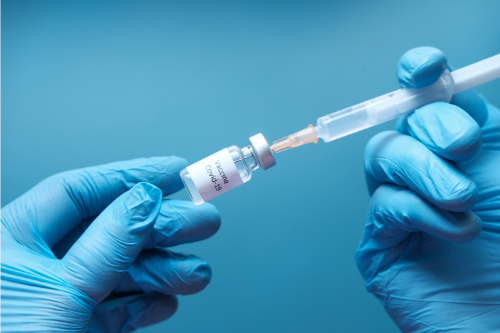
COVID-19

The following Letter to the Editor was published in the Journal of the European Academy of Dermatology and Venereology on April 25, 2022 about the role of the IPPF during the COVID-19 pandemic.

Pemphigus and pemphigoid are rare and potentially life-threatening chronic inflammatory autoimmune blistering disorders (AIBDs) that require special guidance by experienced dermatologists during the COVID-19 pandemic. The International Pemphigus and Pemphigoid Foundation (IPPF), a long-standing, non-profit, patient-advocacy organization, hosts one of the largest worldwide registries of AIBD patients with currently over 500 enrolled participants from 7 different countries (www.pemphigus.org).

Patient-reported outcomes have been increasingly utilized across diverse clinical study settings and disease conditions including AIBDs, as evidenced by the growing number of IPPF-related publications showing efforts to engage this group of patients in research. Observational studies using web-based patient questionnaires have the advantage to collect data from a large representative cohort in a timely manner, which has been of particular interest during the COVID-19 era when in-person research may be temporarily limited.

Two COVID-19-related studies based on cross-sectional anonymous online surveys have been published in collaboration with the IPPF so far, both of which greatly contributed to the prompt gain of valuable knowledge about the influence of the SARS-CoV-2 outbreak and vaccines against its transmission on patients with AIBDs. In one study, we could demonstrate both a negative impact of the COVID-19 outbreak, including associated outdoor activity restriction and income loss, on health outcomes such as disease deterioration, stress, anxiety and depression, and a high satisfaction with telemedicine platforms in patients with AIBDs during this pandemic. In the other study, we could show that SARS-CoV-2 vaccine hesitancy is prevalent in about one-third of patients with AIBDs, with fear regarding a flare or worsening of the disease representing a major contributing factor.

In conclusion, we encourage researchers to make further use of the readily accessible IPPF database, especially in difficult times like pandemics during which potential restriction or delay with human subject research involving direct patient interactions can occur, and we are grateful to all patients participating in these important scientific investigations.

Read the letter here. The IPPF frequently updates COVID-19 information and resources for pemphigus and pemphigoid patients.

The following was published as a Letter to the Editor in the British Journal of Dermatology in November, 2021. The letter outlines a cross-sectional study of COVID-19 vaccine acceptance and hesitancy in patients with autoimmune bullous diseases. Out of the 707 total participants, 73.1% reported a willingness to accept the COVID-19 vaccination.

Patients with autoimmune bullous diseases (AIBDs) have faced considerable challenges during the COVID-19 outbreak. SARS-CoV-2 vaccines became an important public health solution, but the pandemic raised awareness of vaccine hesitancy. We aimed to investigate the currently unknown general vaccination status among patients with AIBDs to better inform vaccine practices in this cohort of patients with potentially life-threatening inflammatory disorders.

In this cross-sectional study, English-speaking patients with AIBDs aged ≥ 18 years, who were recruited from the database of the International Pemphigus and Pemphigoid Foundation, were asked to complete a COVID-19 vaccination-related web-based survey between 2 August 2021 and 30 August 2021. The online poll was adapted with minor modifications from Wang et al. Electronic informed consent was obtained from all patients, and the questionnaire was completed anonymously. The study was granted an exemption by the Institutional Review Board of the University of Southern California. The primary outcome was the rate of patients reporting COVID-19 vaccination willingness or hesitancy. Secondary outcomes were vaccination coverage, safety, and factors associated with vaccination willingness and hesitancy. Covariates included sex, age, country, ethnicity, education, income, type of AIBD and comorbidities. Logistic regression was used to estimate associations, with adjustments for potential confounders.

Read the full letter here. The IPPF frequently updates COVID-19 information and resources for pemphigus and pemphigoid patients.